Fiddle-leaf Fig
An evergreen broadleaf tree that produces large, lyre-shaped, heavily veined foliage with a stiff, leathery texture. Indoors, it typically grows upright on a single woody stem, reaching 2 to 3 metres (6 to 10 feet) in height. It is highly sensitive to relocation, drafts, and swings in soil moisture, responding to stress by dropping lower leaves.
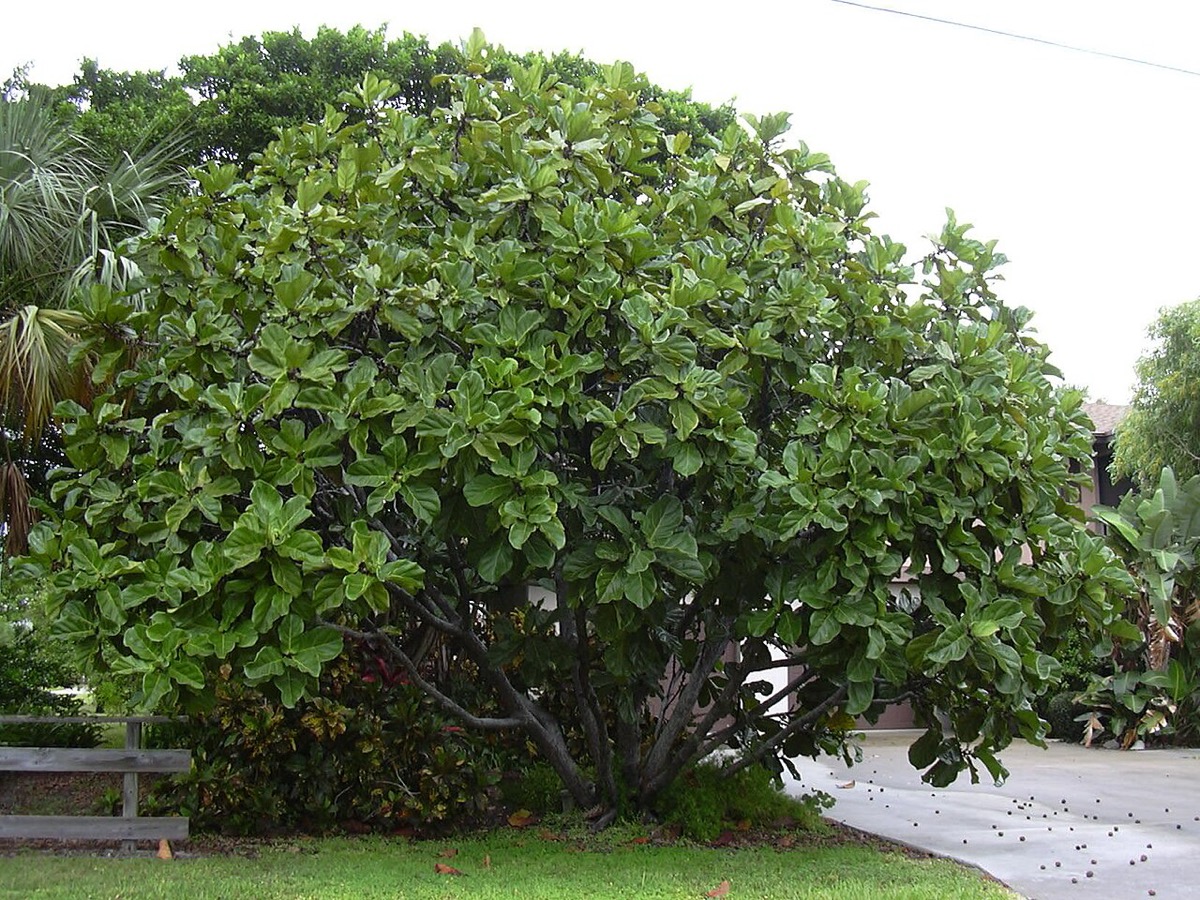
Also called Fiddle-leaved Fig, Banjo Fig.
Water thoroughly with 1 to 2 litres of room-temperature water once the top 5 cm (2 inches) of soil is completely dry, typically every 7 to 10 days in spring and summer, and every 14 to 21 days in winter. Drain excess water completely; do not let the pot sit in standing water.
Requires 4 to 6 hours of bright, filtered light daily. Position within 1 to 2 metres of an east-, west-, or shielded south-facing window.
A fast-draining, aerated potting mix composed of 60% standard houseplant soil, 20% perlite or pumice, and 20% coarse orchid bark, maintaining a pH between 5.5 and 6.5.
Maintain between 18°C and 27°C (65°F to 80°F). Sustained exposure to temperatures below 12°C (54°F) or exposure to cold drafts will cause sudden leaf abscission.
Requires 45% to 65% relative humidity. Below 40%, new leaves may emerge deformed or with dried margins.
Apply a balanced liquid houseplant fertilizer with a 3-1-2 NPK ratio, diluted to half strength, once every 4 weeks from April through September. Do not fertilize in autumn or winter.
All parts contain a milky sap containing proteolytic enzymes (ficin) and insoluble calcium oxalate crystals. Contact causes skin irritation and dermatitis; ingestion causes burning of the mouth and tongue, excessive drooling, vomiting, and difficulty swallowing in cats, dogs, and humans.
How to tell them apart: Ficus elastica features glossy, stiff, oblong-elliptic leaves with smooth margins and subtle, parallel lateral veins, whereas Ficus lyrata has distinct fiddle-shaped leaves with prominent, wavy, recessed venation.
How to tell them apart: Ficus cyathistipula has paddle-shaped, narrower leaves with pronounced brown, cup-like stipules that remain permanently at the base of the leaf stalks, unlike the lyrate foliage of Ficus lyrata.
- In the wild, it begins life as an epiphyte in the canopy of a host tree, eventually sending aerial roots down to the forest floor and strangling the host.
- Small red or reddish-brown speckles on emerging leaves are usually caused by edema, an uptake of water faster than the young leaf cells can process, which typically fades as the leaf matures.
- The broad leaf surface easily accumulates dust, which impairs photosynthesis; leaves must be gently wiped with a damp microfibre cloth monthly.
Not sure this is what you have?
Upload a photo and find out — with the lookalikes it could also be.
Identify my plant